
Robotics use cases
Real robots.
Connected by eProsima.
From robots working in logistics to development platforms and embedded controllers. See how ROS 2, Fast DDS, Vulcanexus and micro-ROS connect real robotic systems.
ROS 2 in industrial operations.
Tools and robots for development.
ROS 2 connectivity for controllers.

Explore the open ROS 2 ecosystem.
Vulcanexus brings eProsima’s communication technology and development tools together for ROS 2.
Industrial deployment
ROS 2 at work in logistics.
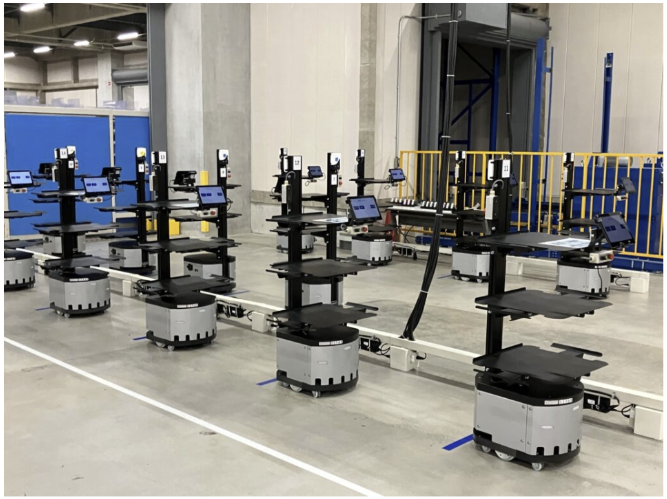
LOGISTEED’s AutonMate mobile robots support warehouse picking, using Sony’s robotics solution built on ROS 2 and Fast DDS.
Connecting the robot and the fleet.
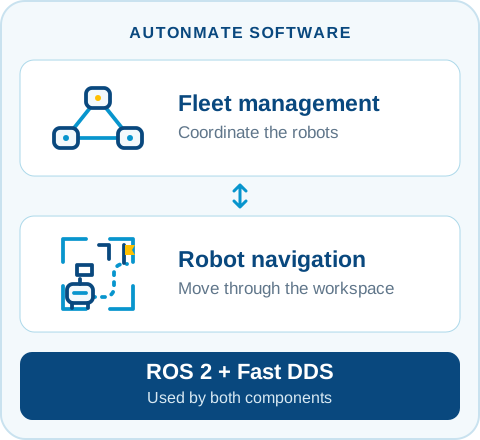
AutonMate combines fleet management and robot navigation built on ROS 2 and Fast DDS, supporting warehouse operations with autonomous mobile robots.
- Navigation around people and obstacles
- Coordination across multiple mobile robots
- Publicly documented use of Fast DDS
Robotic platforms
Build, experiment and take the next step.
Established platforms make ROS 2 tangible. These examples bring together robot hardware, open software and eProsima technology for development, research and integration.
Vulcanexus partner
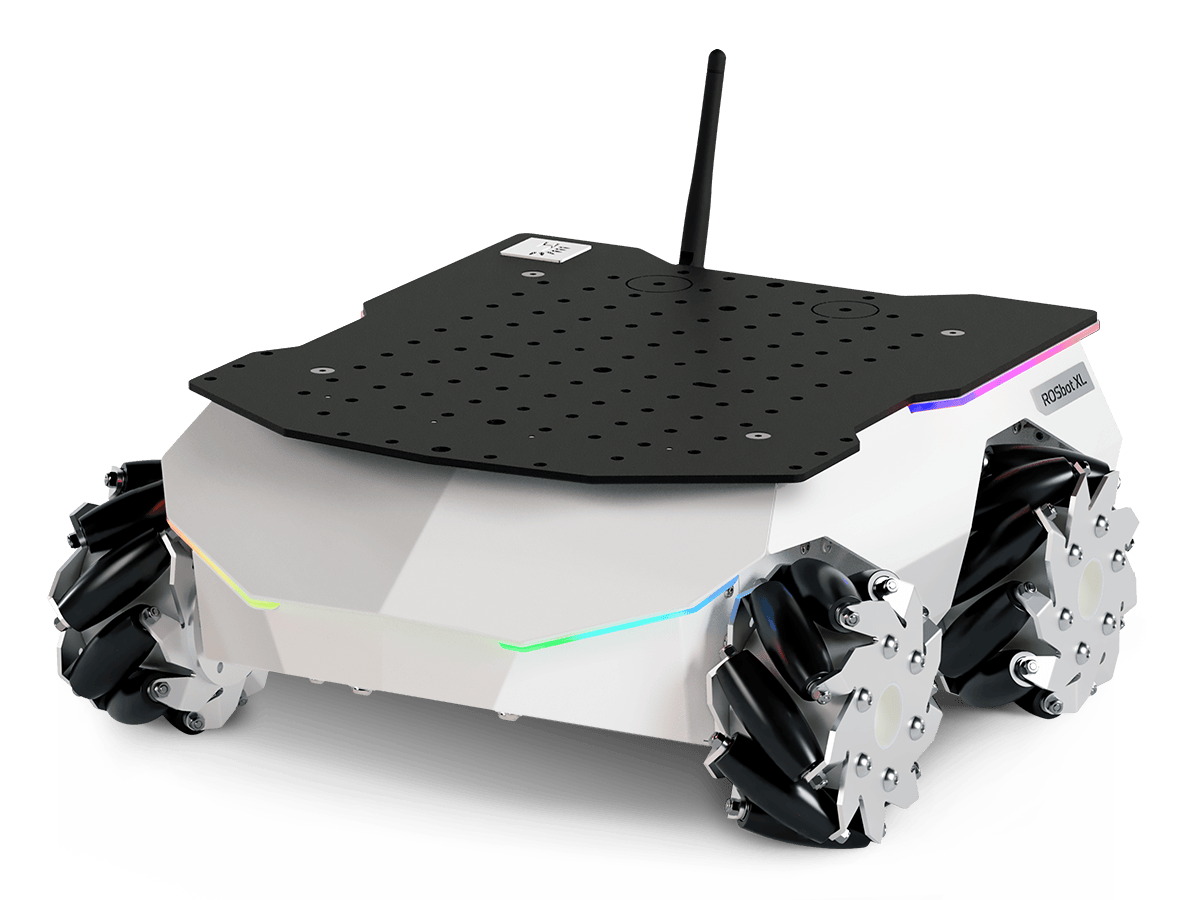
Husarion
Mobile robot platforms supported by public Vulcanexus tutorials. Husarion’s ROSbot XL also uses micro-ROS in its embedded firmware, connecting the controller with the rest of the ROS 2 system.
eProsima platform
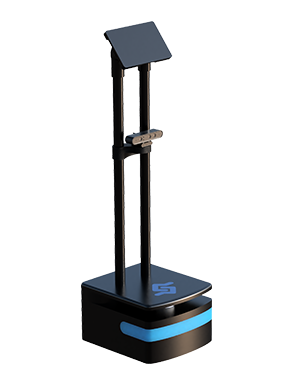
VulcanBot 01
Our mobile platform brings Vulcanexus into a complete robot for assistance and R&D applications. It provides a practical environment to develop, integrate and demonstrate robotic capabilities.
Research & education
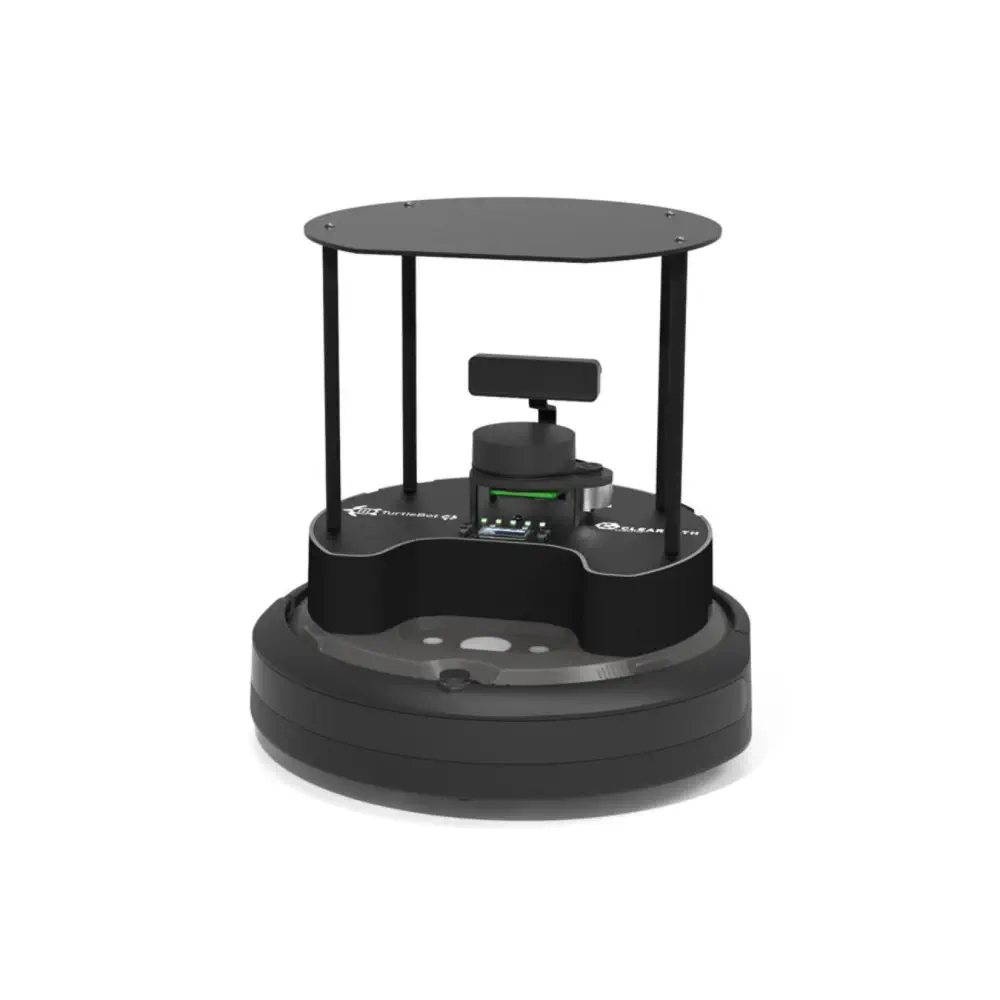
TurtleBot 4
A ROS 2 development platform built on iRobot Create 3. Its Humble and Jazzy setup guides explicitly configure Fast DDS, providing a documented example for learning and robotics experimentation.
Human–robot interaction
ARISE.
Connecting robots
with people.
Human–robot interaction needs more than a communication link. The ARISE research project brings robotics, contextual information and interaction capabilities into a shared framework.
Vulcanexus provides the ROS 2 foundation within ARISE, with ROS4HRI supporting human–robot interaction. VulcanAI extends the Vulcanexus ecosystem with AI-powered planning and reasoning for robotic applications.


Human–robot interaction
Perception · interaction · context
Embedded robotics
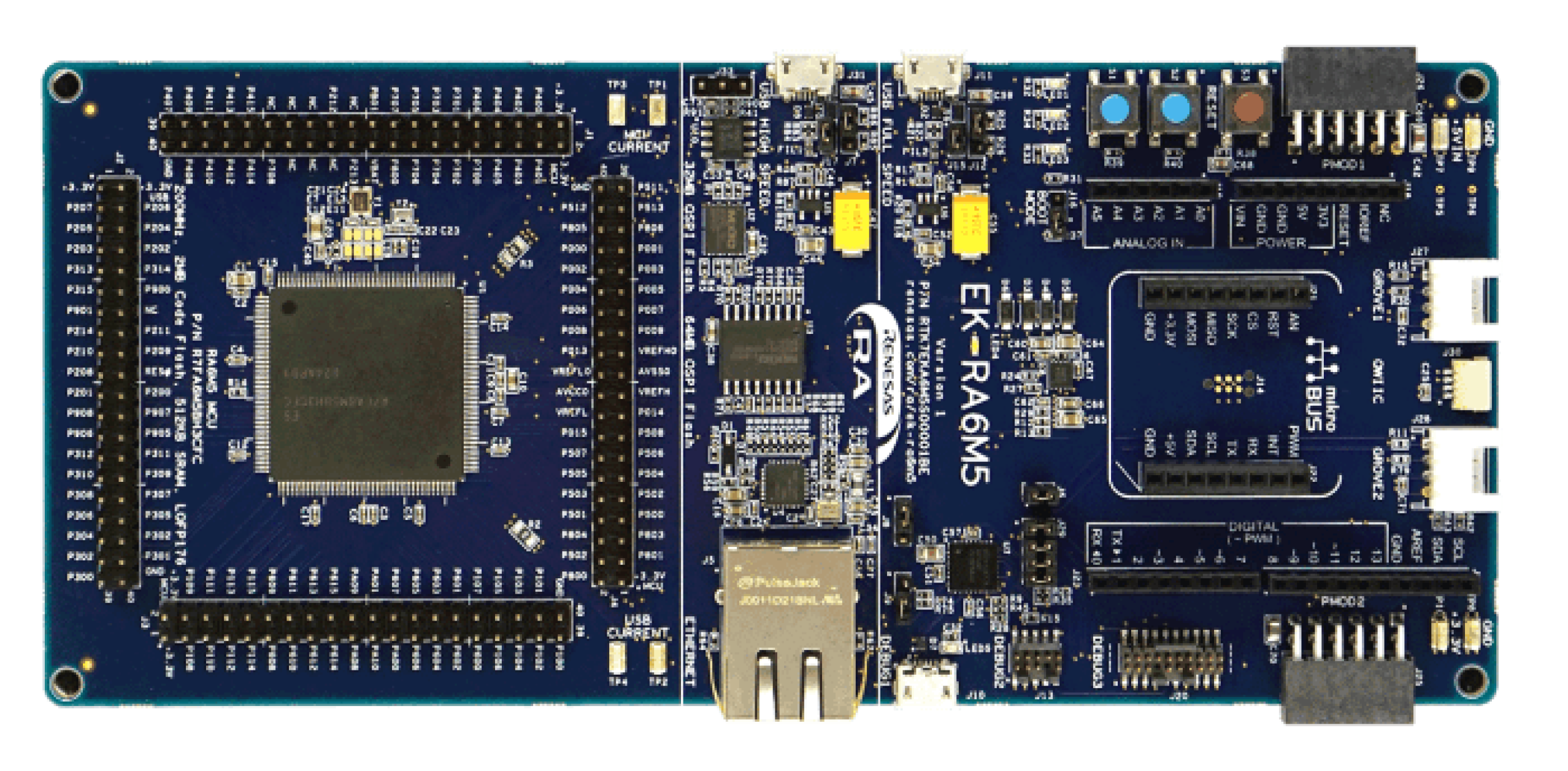
Renesas + micro-ROS. ROS 2 reaches the controller.
Renesas and eProsima collaborate to bring micro-ROS to RA microcontrollers. Their joint announcement identifies the EK-RA6M5 board as an officially supported hardware platform.
This is the embedded side of robotics: giving constrained controllers a way to participate in a ROS 2 system, alongside application processors and higher-level software.
Beyond mobile robots
The same connected foundations. Different kinds of autonomy.
Robotics software also connects flight controllers, onboard computing and advanced perception systems.

PX4 and ROS 2
PX4 documents its Micro XRCE-DDS bridge between flight-controller topics and a companion computer, enabling integration with ROS 2 applications.

Deutsche Bahn
The Sensors4Rail project brought Fast DDS and ROS 2 to onboard perception. Explore the wider railway story, including the subsequent AutomatedTrain collaboration.
Part of a much larger ecosystem
A few examples.
A much wider reach.
These public references are a small selection of the systems using eProsima technology, directly or through ROS 2. The ROS community’s package-download figures illustrate the scale of the surrounding ecosystem.
ROS package downloads recorded in 2025
ROS 1 + ROS 2 · July data incompleteROS 2 share of ROS package downloads
October 2025
The default middleware in ROS 2 Jazzy, connecting applications across its ecosystem.
Source: 2025 ROS Metrics Report. Downloads measure package activity, not unique users, robots or Fast DDS installations.
Talk to a robotics expert
Let’s discuss your next robot.
Tell us what you are building. We can help you define the architecture, integrate your platform and connect the software that makes it work.
ROS 2 architecture and performance.
Robot development and integration.
Navigation, simulation and HRI.
Embedded systems and micro-ROS.